With over 15 years of experience and thousands of successful purchases, we offer a fast, fair, and hassle-free sale.
We come to you at no extra cost in Belgium and the Netherlands.
Get your money the same day via bank transfer.
We buy motorhomes of any age, brand, or condition, even if damaged or non-running.
You don't need to clean, inspect, or prepare your motorhome.
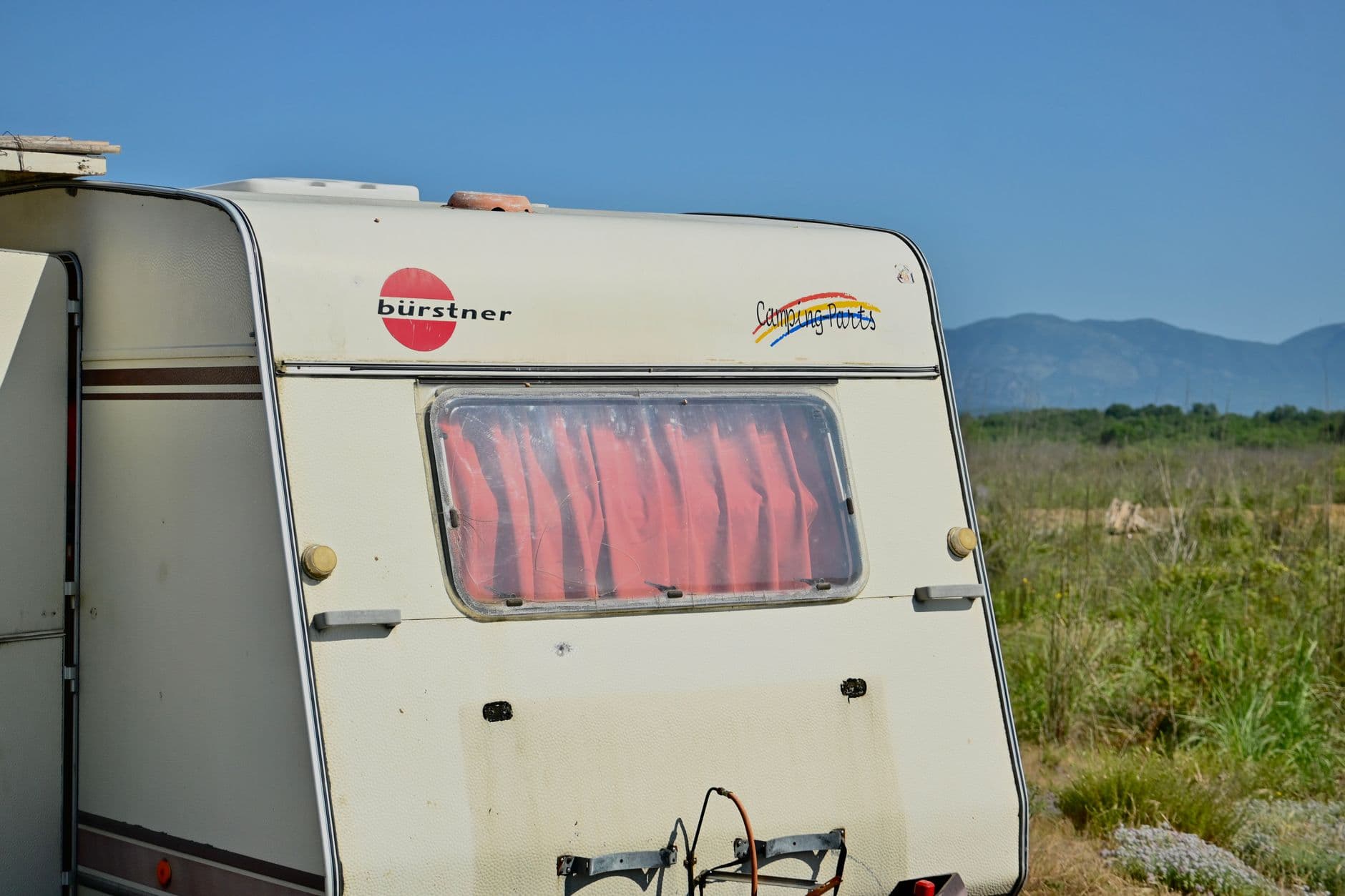
Buying or selling a used motorhome privately raises many questions. How do you know if the price is right? Which technical points deserve extra attention? And as a seller, how do you get rid of your vehicle without waiting for months? This guide brings together what you really need to know as a private individual, from the first viewing to a smooth sale. We focus on vehicles with their own engine: motorhomes, campers and camper vans. Caravans, static caravans, chalets and folding trailers are outside the scope of this article.
A motorhome combines a vehicle with a living space. That is why, when looking at a used model from a private seller, you need to check two things: the technical condition of the chassis and engine, and the condition of the bodywork and interior. Always ask for the service booklet and check whether the mileage is plausible. Look for rust on the chassis, especially on older models that have been driven a lot in winter.
Also check for moisture damage. A musty smell, discoloured spots on the ceiling or soft walls point to a leak. Moisture problems are often expensive to repair, because you then have to open up the entire bodywork. During the viewing, test all systems: heating, fridge, boiler, lighting and water pump. Let the engine idle and take a short test drive if possible.
Ask about the vehicle's history. Has it always been stored indoors? Was it regularly maintained? A private seller who has treated their motorhome with care can usually tell you about it in detail. If that information is missing or the seller remains vague, caution is advised.
The value of a used motorhome depends on the brand, model, year of manufacture, mileage, maintenance condition and the presence of options such as an awning, solar panels or a bike rack. Always compare with similar examples on different sales platforms. Pay attention to the asking price, but be aware that it is not always the final selling price.
A useful rule of thumb: the older the vehicle, the more important the maintenance history becomes. A well-maintained ten-year-old motorhome can be a better buy than a younger example with an unclear condition. Also look at the type of bodywork. An integrated motorhome is generally more expensive than an alcove model, but offers more living space. A camper van is more compact and manoeuvrable, which is a plus for some travellers.
Do not be guided only by the asking price. Ask explicitly about recent repairs and replacements. A new timing belt, tyres or a recent inspection can reduce short-term costs. You can certainly take that into account in your negotiation.
When you buy a used motorhome from a private seller, you are entering into an agreement between two private individuals. As a buyer, you have less legal protection than with a professional seller. Therefore, check thoroughly in advance and put agreements in writing. Ask for the registration certificate, the roadworthiness certificate for used vehicles and the certificate of conformity.
A proof of purchase with a clear mention of the chassis number, mileage, price and date is essential. Also mention any defects you noticed during the viewing. That way you avoid discussions afterwards. Preferably pay via a traceable method, such as a bank transfer, and hand over the vehicle immediately.
Be aware that a private seller does not have to give a warranty, unless otherwise agreed. That makes your own inspection or a purchase inspection by an independent expert extra valuable. Some buyers have a technical inspection carried out before closing the deal. It costs money, but can prevent expensive surprises.
Anyone selling their motorhome privately usually chooses an online classifieds site or a specialised platform. Provide an honest, detailed description and plenty of sharp photos, including of the engine compartment, the roof, the tyres and any damage. Clearly state the year of manufacture, mileage, type of bodywork and the options present. A realistic asking price prevents your advert from lingering.
Prepare for many questions and viewings. Not every interested party shows up, and some buyers drop out after a test drive. That is part of a private sale. So keep your paperwork ready: service booklet, roadworthiness certificate, registration certificate and any invoices for repairs. That immediately makes a reliable impression.
Be honest about defects. A hidden moisture problem or an engine fault will come to light sooner or later. Being transparent avoids conflicts and builds trust. That often speeds up the sale more than a polished advert.
A private sale takes time, patience and a bit of luck. If you want to get rid of your motorhome quickly, or if your vehicle is no longer in top condition, you can consider selling it to a buyer. This is interesting if you do not want viewings, negotiations or arranging an inspection. A buyer takes over the vehicle in the condition it is in, even if it is older or damaged.
Note: not every buyer buys everything. Some parties focus exclusively on vehicles with their own engine, such as motorhomes, campers and camper vans. Caravans, static caravans, chalets and folding trailers are not included. So always check in advance whether your vehicle qualifies. A clear description of the type and condition helps to get a correct answer quickly.
The big advantage of a buyer is speed. You know immediately where you stand, you do not have to fix anything up and payment usually follows directly. For anyone who wants to sell a used motorhome privately without hassle, this is a pragmatic route. Read more about that approach in our guide on selling a motorhome for instant cash.
A classic mistake among buyers is deciding too quickly based on a nice advert. A shiny coat of paint sometimes hides a damp bodywork or a neglected engine. Always take the time for a thorough inspection and do not let the seller rush you. A second viewing with someone who is technically knowledgeable can prevent a lot of misery.
Sellers, on the other hand, underestimate the importance of correct pricing. An asking price that is too high scares off serious buyers, while a price that is too low arouses suspicion. Compare thoroughly with similar vehicles and be prepared to adjust your price if there is no response after a few weeks. A realistic price is the best guarantee of a smooth sale.
Another pitfall is unclear payment arrangements. Always agree on a specific time and method. Only hand over the vehicle when the money is actually in your account or you have received the amount in cash. With a buyer this is usually clearly arranged, but with a private buyer it pays to discuss this explicitly.
Buying a used motorhome from a private seller can save a lot of money, but it requires careful checking. Use this step-by-step plan to avoid major unexpected costs. Bring someone who is technically knowledgeable, and allow enough time for the inspection and a test drive.
Look over the entire exterior for dents, rust spots and colour differences. These indicate an accident or poor repair. The roof deserves extra attention: hairline cracks and leaks appear there that only become visible later. Ask if you may walk on the roof or use a ladder. Watch for damp patches, musty smells or bulging wall coverings inside, as these are signs of water ingress.
A cold start says a lot about the condition of the engine. Do not let the seller warm up the vehicle beforehand. Look for smoke from the exhaust, listen for rattles and feel whether the engine pulls smoothly. Take a test drive of at least half an hour, including motorway and country roads. Engage every gear, test the brakes and watch the temperature gauge. The clutch and gearbox also deserve attention on older models.
Damp is the biggest enemy of any motorhome. Smell inside cupboards, look under mattresses and gently press on walls around windows and roof vents. Soft spots indicate wood rot. Test all household systems: fridge on gas and electric, heating, boiler, water pump, lighting and sockets. Have the seller light the gas hob and check the gas certificate if present. A recent gas certificate gives confidence.
Even if a motorhome has low mileage, tyres age through standing still. Look at the production date on the tyre sidewall (DOT code). Tyres older than seven years need replacing, regardless of tread. Check the brake discs for rust grooves and ask about the last brake fluid change. A brake test during the test drive tells more than a thousand words.
A complete service book with garage stamps is worth its weight in gold. Also ask for invoices for major work such as timing belt, clutch, brakes and water pump. Anyone who loves their motorhome keeps those documents. If they are missing, maintenance is more likely to have been postponed. When in doubt, you can have a pre-purchase inspection carried out by an independent inspector or brand garage.
Valuation
Determining a fair price for your motorhome privately requires more than a quick search for comparable listings. Several factors weigh in: make and model, year of manufacture, mileage, maintenance history, available options, and especially the overall condition. A moisture-free, technically sound motorhome with complete documentation fetches a higher price than the same model with deferred maintenance. Season also plays a role, but structural quality always wins. Request a free valuation from multiple buyers to see a realistic range. Selling to a private party often allows you to ask a bit more, but you must weigh the time and hassle of viewings, negotiations, and payment risks. A professional buyer offers certainty and speed at a slightly lower price. Weigh your priorities carefully.
Selling situations
Every sale starts with a personal situation. Sometimes you have the time and desire to advertise yourself, sometimes you want to get rid of it without hassle. These scenarios help you choose the right approach.
You are selling your current motorhome because you are looking for a larger or smaller model. Advertise yourself if you have time, or request a direct offer from a buyer if you want to move quickly.
In a divorce, the motorhome often needs to be sold quickly. A buyer offers certainty: no long negotiations, immediate payment after agreement.
Driving becomes difficult or the wanderlust fades. Do not let buyers pressure you into discounting for age; a well-maintained motorhome holds its value.
In an inheritance, the family must sell the motorhome. Professional buyers can act quickly and handle the paperwork, which relieves a lot of stress during a difficult period.
The layout or driving behavior disappoints. Sell as soon as possible to limit further loss; an honest valuation helps you estimate the residual value correctly.
 Sell your motorhome with defects, directly and without worries
 Sell your motorhome without inspection? Direct pickup and payment
 Buying a Used Motorhome: A Complete Guide
 Motorhome for sale: how to sell your camper in Flanders
 Sell motorhome in Aalst | Direct offer and free pickup
 Motorhome buyer for all of Belgium | Direct payment

