With over 15 years of experience and thousands of successful purchases, we offer a fast, fair, and hassle-free sale.
We come to you at no extra cost in Belgium and the Netherlands.
Get your money the same day via bank transfer.
We buy motorhomes of any age, brand, or condition, even if damaged or non-running.
You don't need to clean, inspect, or prepare your motorhome.
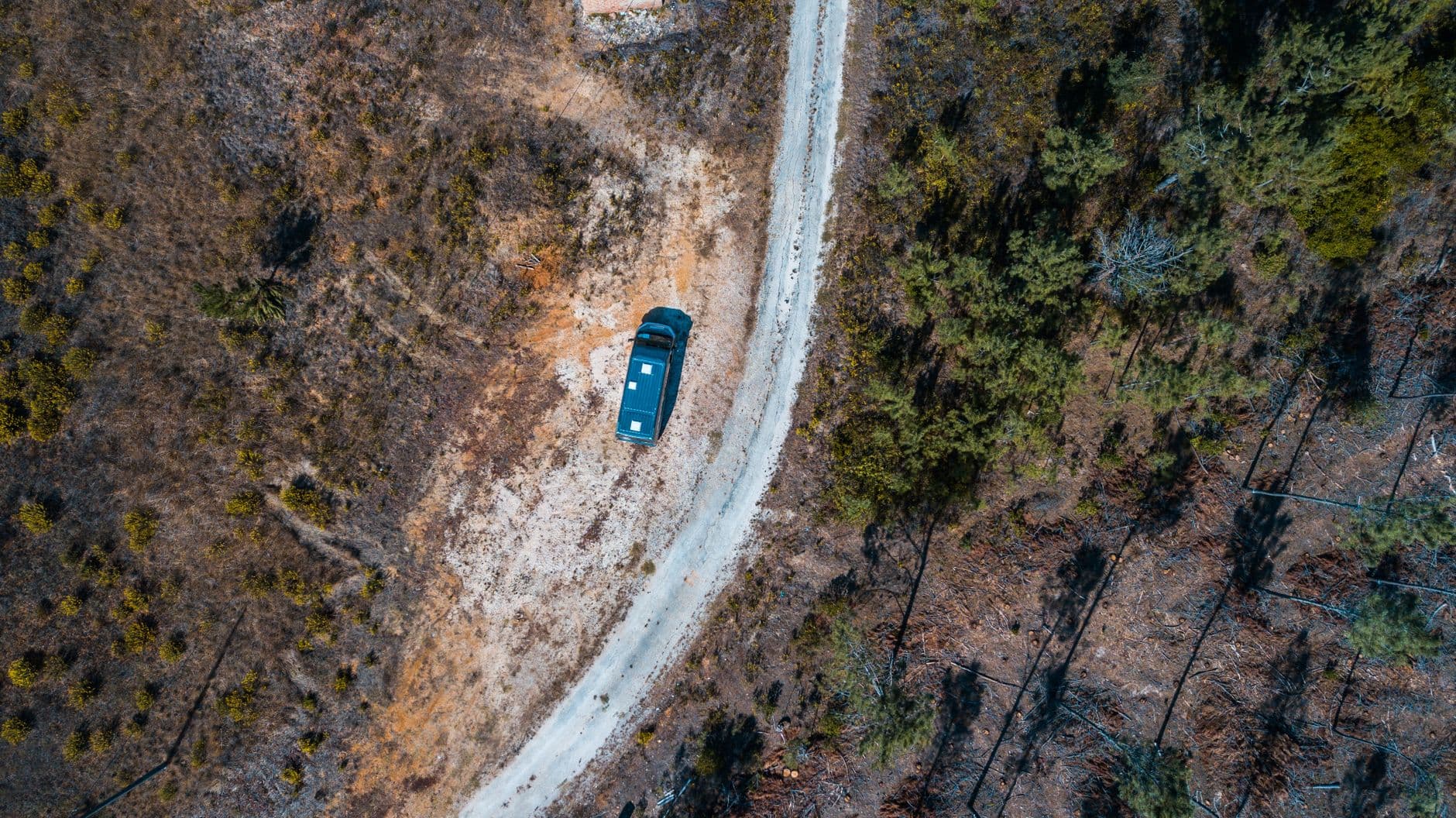
A used campervan is for many people the most accessible way to travel with their own vehicle. You avoid the high depreciation of a new model and you know exactly what you are buying. But a campervan has an engine, an interior, a roof and often also a kitchen and sanitary facilities. All these parts deserve attention before you decide. This guide helps you step by step: from determining your budget and checking the technical condition to selling your own campervan.
A campervan is a van converted into a compact living space. Think of a Volkswagen Transporter, a Mercedes Vito or a Ford Transit with a pop-up roof, a small kitchen unit and sometimes a fold-out bed. A motorhome is generally larger, sits on a truck chassis and has a fixed bathroom and a separate bedroom. Both are motorized vehicles, but the campervan is more agile and more fuel-efficient.
Those looking for a used campervan often choose practicality: you can drive it to the supermarket, park more easily in a city and pay less in tolls than with a large motorhome. The downside is the limited interior space. For two people a campervan is fine, for a family with children it quickly becomes cramped. So first think about how many sleeping places and how much storage space you really need.
Always check the paperwork: the certificate of conformity, the inspection certificate and the maintenance history. Ask for invoices of major services, such as the timing belt, brakes and clutch. A campervan that has been standing still for years can have hidden problems with the engine, tyres and brakes.
Then look at the interior. Does the fridge work on 12V, 230V and gas? Is there moisture damage around the roof vent or windows? Do you smell must or mould? Check the condition of the mattress, upholstery and kitchen. A campervan with a wet cell or a faulty heater can cost you a lot of money, even if it looks good in photos.
Take a test drive and listen for abnormal noises. Test the gears, clutch and brakes. Let the engine idle and see if smoke comes out of the exhaust. A pre-purchase inspection by an independent expert is not an unnecessary luxury, especially with an older model or an imported vehicle.
With a campervan, the base is the vehicle itself. Rust is a common problem, especially under the sills, around the wheel arches and at the rear doors. Also check the condition of the exhaust, suspension and tyres. A campervan often stands still for long periods, and tyres age even without many kilometres.
The electrical system is a second point of attention. A used campervan often has a leisure battery, an inverter and sometimes solar panels. Ask how old the battery is and whether everything still charges correctly. A faulty charge controller or a worn battery can quickly disrupt your travel plans.
The gas and water system also deserves a check. Have a gas inspection carried out if the campervan is older or if you doubt the tightness of the pipes. Check whether the water pump works, whether the tap does not leak and whether the drain is clear. Small defects are normal, but they should affect the price.
The value of a used campervan depends on the brand, model, year of manufacture, mileage and condition of the interior. A well-maintained campervan with a complete history is worth more than a comparable model without documents. The presence of options such as a pop-up roof, a parking heater or solar panels also plays a role.
Compare similar campervans on online platforms and in specialised sales channels. Pay attention to the region: prices can differ slightly between Flanders and the Netherlands. Be critical of asking prices: some sellers add emotional value, but that rarely translates into a higher selling price.
For a quick sale without hassle, you can also offer your campervan to a buyer who purchases motorized vehicles. This way you avoid negotiations, test drives and administrative hassle yourself. Read more about selling a used camper in our guide on buying or selling a used camper.
Anyone who wants to sell their campervan should start with a thorough cleaning. A clean interior and a washed bodywork make a big difference in photos and during a visit. Gather all documents: service booklet, invoices, inspection certificate and any manuals of the conversion.
Then determine your minimum price and your asking price. Be realistic: a campervan with high mileage or an older interior sells slower and for less. Put clear photos online, mention all defects honestly and respond quickly to questions. This way you avoid misunderstandings and build trust.
If you want to sell your campervan quickly and without risk, you can offer it to a professional buyer of motorhomes and campers. They will inspect the vehicle on site, make an offer and pay immediately upon agreement. You do not have to do any inspection or preparation yourself. Read more about buying a used motorhome in our guide on buying a used motorhome.
A common mistake is buying on emotion. A campervan quickly looks attractive on a sunny day, but do not be blinded by a nice paint job or a cosy interior. Always check the technical condition and the interior in detail, even if the seller seems friendly.
A second mistake is underestimating maintenance costs. An older campervan needs a major service more often, and parts for a conversion are not always cheap. Therefore, do not only calculate the purchase price, but also the expected costs for tyres, brakes, battery and any repairs to the interior.
A third mistake is ignoring the paperwork. Without a valid inspection certificate or correct registration, you cannot simply take a campervan on the road. Also check whether the conversion is correctly registered and whether the vehicle complies with current regulations. If in doubt, ask for advice from an inspection station or a specialised expert.
A thorough check prevents expensive surprises after purchase. Take your time and go through all points, even if the campervan looks good at first glance.
Always ask for the service book and check that the stamps are regularly updated. Look for oil leaks, blue smoke on cold start, and unusual noises. A timing belt that needs replacing soon can be a significant cost. The mileage should also match the general wear on pedals, steering wheel, and seats.
Inspect the campervan in daylight and look for rust in vulnerable spots: wheel arches, sills, bottom of doors, roof edges, and the floor. Also look for poorly executed repairs or color differences that may indicate an accident. Campervans are often parked outside, so rust is a common problem.
Moisture is the biggest enemy of a campervan. Smell the interior: a musty odor indicates leakage. Gently press on walls, floor, and ceiling; soft spots mean wood rot or mold. Check windows, roof vents, toilet, and kitchen for signs of water. Ask if there have been recent leaks and how they were repaired.
Test all appliances: hob, fridge, heater, boiler, water pump, and lighting. Have the gas system checked and ask for a recent inspection certificate. Check the condition of the leisure battery and the charging voltage. A faulty fridge or a leaking gas line can quickly ruin a holiday.
Always take a test drive of at least half an hour, including on the motorway. Braking, steering, and shifting should be smooth. Watch for vibrations and strange noises. Then check the paperwork: registration certificate, inspection certificate, service book, and any invoices for work carried out. A campervan without a clear history is a risk.
For sellers
We look beyond just the year of manufacture. During the free collection, we carry out a short inspection, but you don't have to repair or clean anything. Our offer is based on objective factors that determine the resale value.
Check out our other guides or ask for no-obligation advice.
 Used mobile homes: what to look for when buying and selling
 Buying or selling a used camper: a practical guide
 Adria water damage and damp: what to look out for?
 Buying a Used Motorhome: A Complete Guide
 Selling your camper? Get an offer today, paid tomorrow

