With over 15 years of experience and thousands of successful purchases, we offer a fast, fair, and hassle-free sale.
We come to you at no extra cost in Belgium and the Netherlands.
Get your money the same day via bank transfer.
We buy motorhomes of any age, brand, or condition, even if damaged or non-running.
You don't need to clean, inspect, or prepare your motorhome.
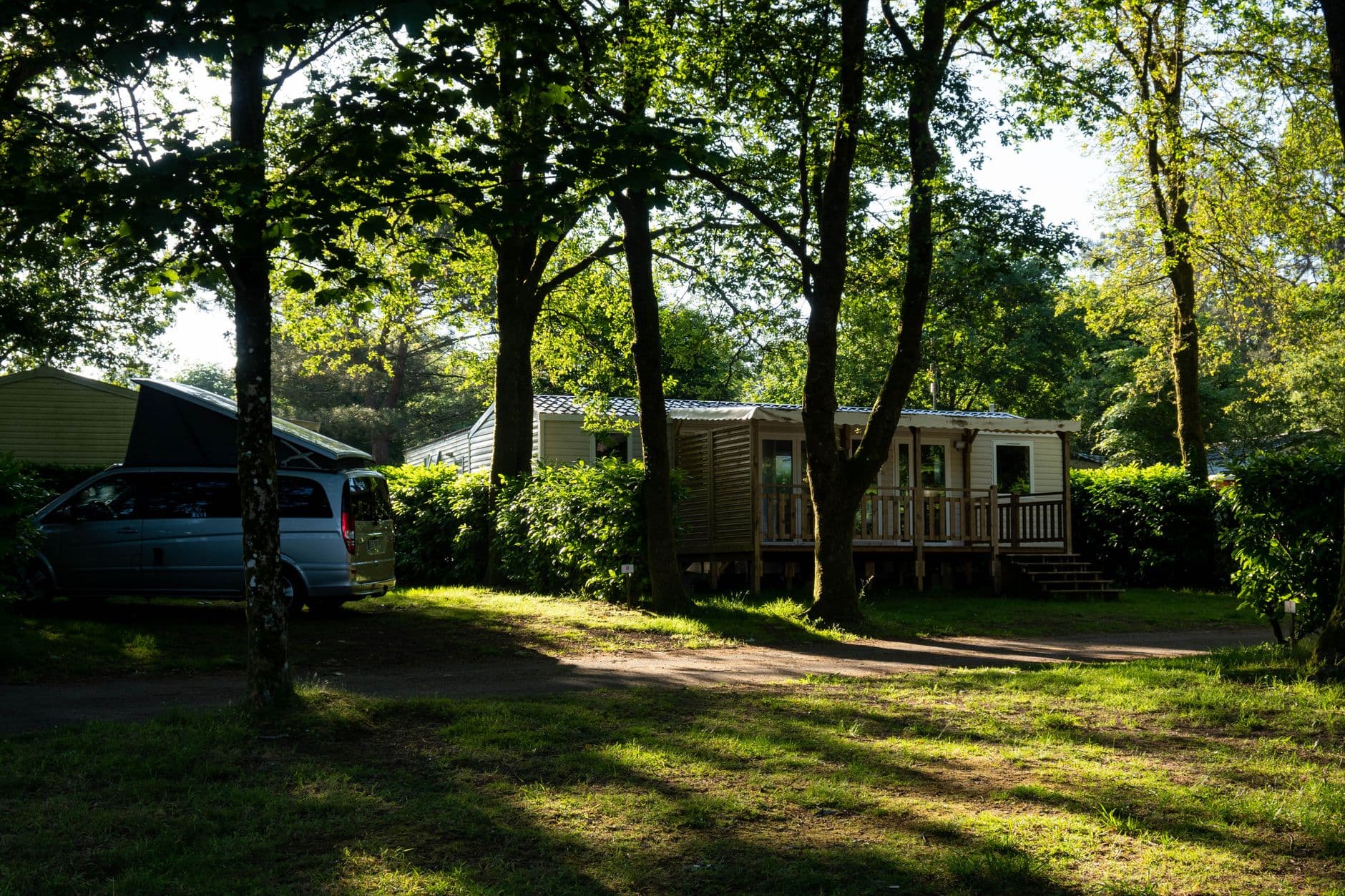
Buying or selling a used motorhome takes more than a quick look at the year and mileage. A motorhome is a vehicle and a home on wheels in one. That means different things matter than with a regular car: damp, mechanics, weight, service history and the condition of the interior. This guide lays it all out, with no sales talk. Whether you are looking for your first used motorhome or want to sell your current one, you will know exactly what to look for after reading this.
A motorhome is a vehicle with its own engine and a built-in living area. In Dutch we use the term mobilhome or camper, in French it is called a camping-car. It is not a caravan or folding camper, because those do not have their own engine. When you buy a used motorhome, you buy a complete vehicle you can drive and live in.
Within the motorhome category there are different types. The A-class has a fully built coachwork, the low-profile has a van cab with a body behind it, and the campervan is a converted van. Each type has its own pros and cons in terms of space, driving and price. Buying a used one starts with the question of which type suits your travel style.
First check the technical condition of the base vehicle. Ask for the service history, look for rust on the chassis and bodywork, and listen to the engine during a test drive. A motorhome often sits unused for long periods, which can cause extra wear on brakes, tyres and fluids. If in doubt, have an independent expert carry out a pre-purchase inspection.
Then comes the living area. Damp is the biggest enemy of any motorhome. Check corners, cupboards, around roof lights and windows for damp patches, mould or a musty smell. A moisture meter can help, but a thorough visual check already tells you a lot. Also look at the condition of the furniture, fridge, heating, gas hob and water system. Test everything, including the boiler and toilet flush.
Pay attention to weight and driving licence. A motorhome can be driven on a standard category B licence if the maximum authorised mass does not exceed the legal limit. Check the certificate of conformity and the roadworthiness certificate. In Flanders, a motorhome must be inspected periodically, just like a passenger car. Also ask for recent inspection reports, because they give an indication of the technical condition.
Besides the purchase price there are recurring costs: insurance, road tax, inspection, maintenance and storage. Insurance for a motorhome is often more expensive than for a regular car, because the vehicle has a higher value and a greater risk of damage from hail or break-ins, for example. Road tax depends on the fiscal horsepower and the fuel type.
Maintenance is an underestimated cost. A motorhome has two systems that need upkeep: the vehicle itself and the living equipment. Think of gas checks, water filters, seals and winterising. If you do not have your own storage, you often pay for a covered pitch. Storing outside in all weathers speeds up ageing, especially of seals and paintwork.
Ask the seller for invoices of recent maintenance and repairs. That gives you an idea of what has already been replaced and what may still be coming. A ten-year-old motorhome can be mechanically fine, but if the fridge or heating has never been replaced, you need to factor that in.
If you want to sell a used motorhome, it is a good idea to clean the vehicle thoroughly first, inside and out. A well-kept impression helps with valuation, but an honest description is more important. Mention the year, mileage, type, brand, any damage and recent maintenance. Do not hide damp problems or technical faults, because they will come to light during an inspection anyway.
Set a realistic asking price. It depends on brand, type, year, mileage, condition of the interior and the presence of options such as a bike rack, solar panels or an awning. Look at comparable models on second-hand platforms, but remember that asking prices are not selling prices. A price that is too high leads to a long selling time.
There are different sales channels: selling privately through a classifieds site, selling on consignment through a dealer, or selling to a buyer. Selling privately often yields the highest price, but takes time, patience and paperwork. A buyer purchases the vehicle directly, even if it no longer runs or is damaged, and often collects it for free. That is interesting if you want to sell quickly and without hassle. Note: a motorhome buyer only buys vehicles with their own engine, not caravans or static caravans.
A classic mistake is buying on looks alone. Shiny paintwork says nothing about the condition of the roof, the seals or the mechanics. Always take your time for an inspection, preferably in daylight and in dry weather. Damp problems are easier to see when it is dry outside, because the smell is less masked by rain.
Another mistake is underestimating the weight. If you buy a motorhome and then add a bike rack, extra batteries and a full water tank, you can exceed the maximum authorised mass. That is not only dangerous, but also illegal. Weigh the motorhome after purchase with a full tank and all your gear on board.
Also remember that a motorhome needs maintenance, even if you do not drive it much. Standing still is bad for tyres, brakes, seals and the battery. If you do not use the motorhome in winter, you need to winterise it: drain the water, add antifreeze to the pipes, maintain the battery and move the vehicle regularly.
Autumn is an interesting time on the used market. Many owners decide after the summer season to sell their motorhome, because they no longer use it or want something different. That often means more supply. At the same time, buyer demand is slightly lower than in spring, which can give you room to negotiate.
For sellers, autumn is a good time to sell the motorhome before winter. That way you avoid the cost and work of winterising and storing it. A motorhome sold in October saves the owner a whole winter of storage and maintenance. If you want to sell quickly, you could consider contacting a buyer who takes the vehicle over immediately.
When buying in autumn, pay extra attention to damp. Because of the higher humidity and rain, existing leaks can be more visible, but they can also stay hidden behind a fresh smell of cleaning product. Always check the corners of the roof, the area around roof lights and the sealant joints. A moisture reading can give you certainty.
Valuation
Sellers want quick clarity about a realistic price. We weigh these factors so you don't waste time on preparations or cleaning.
Check out our other guides or ask for no-obligation advice.
 Used campervan: what to look for when buying or selling?
 Buying or selling a used camper: a practical guide
 Adria water damage and damp: what to look out for?
 Buying a Used Motorhome: A Complete Guide
 Selling your camper? Get an offer today, paid tomorrow

