With over 15 years of experience and thousands of successful purchases, we offer a fast, fair, and hassle-free sale.
We come to you at no extra cost in Belgium and the Netherlands.
Get your money the same day via bank transfer.
We buy motorhomes of any age, brand, or condition, even if damaged or non-running.
You don't need to clean, inspect, or prepare your motorhome.
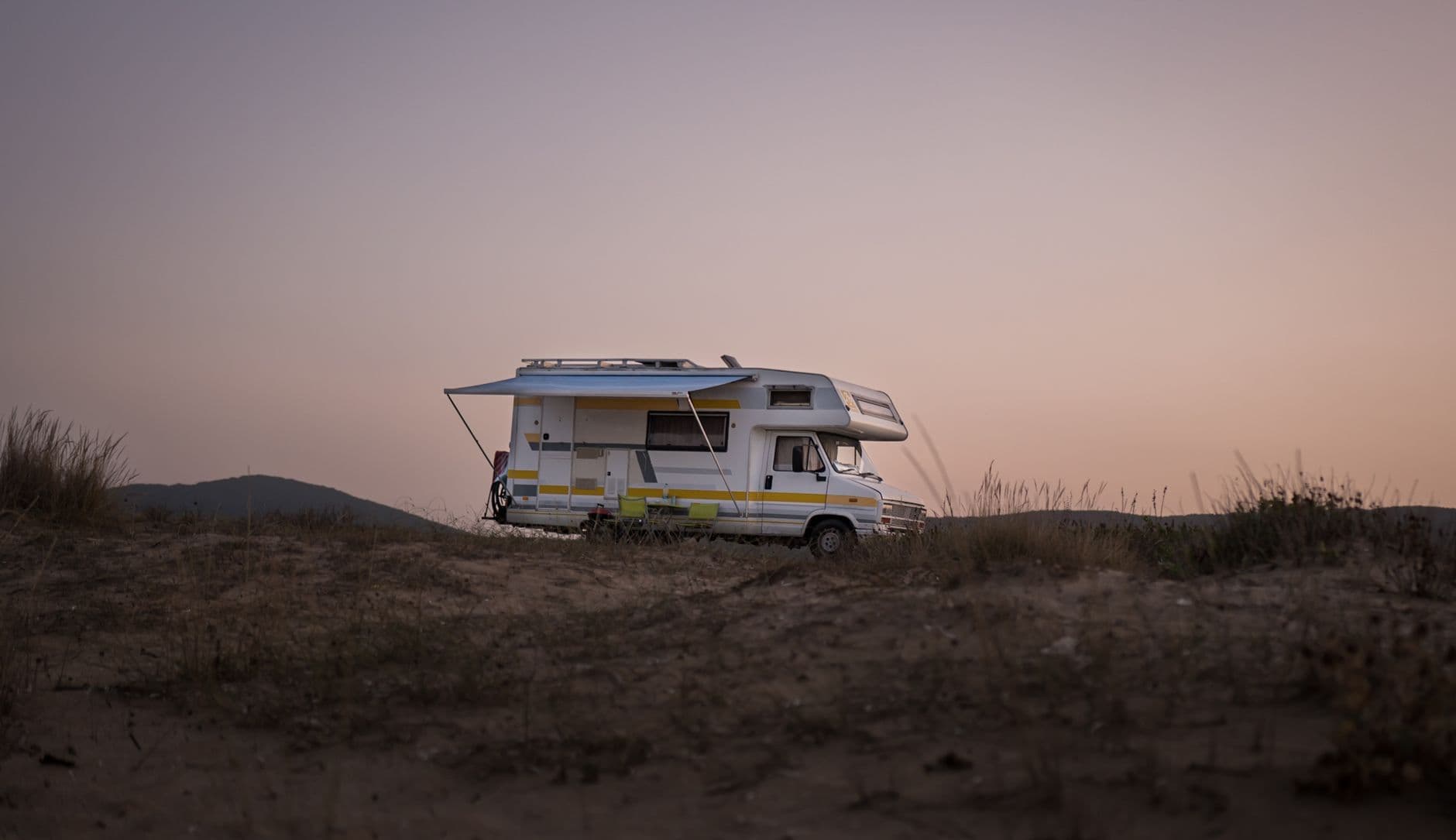
A used motorhome is for many people the smart way to start camping. You pay less than for a new model and you can drive away immediately. Yet there are pitfalls: technical defects, moisture damage or an unclear maintenance history. In this guide you will read what to look out for when buying a second-hand motorhome, and how to get rid of it later without worries.
A used motorhome is a second-hand camper with its own engine. That can be a semi-integrated, an integrated, a camper van or an alcove model. The big difference with a caravan or folding trailer: you have one vehicle in which you drive and sleep. In French you speak of a camping-car, in English of a motorhome. Those terms help you if you also search across the border.
Age and mileage do not tell the whole story. An older model with a complete service book and little moisture damage can be a better buy than a younger example that has stood outside for years. So always look at the overall condition, not just the year of manufacture.
First check the technical basics: engine, gearbox, brakes and tyres. Ask for the service books and invoices. A motorhome that drives little can just as easily have problems due to standing still. Watch out for rust underneath, especially on older models.
Then comes the living area. Moisture is the biggest enemy. Smell cushions and mattresses, look in corners of cupboards and around roof lights. Small damp spots can indicate a bigger leak. Also test the boiler, the fridge on gas and electricity, and the heating. Those repairs quickly cost a lot of money.
Always ask for the certificate of conformity and the inspection certificate. In Belgium, a motorhome must periodically go for inspection. A valid inspection certificate is no guarantee that everything works, but it does show that the basics are in order. Take a test drive of at least half an hour, also on the motorway.
Besides the purchase price, you pay road tax and insurance. The premium depends on your driving experience, the value of the vehicle and where you live. Insuring a motorhome is often more expensive than a normal car, but cheaper than many people think.
Also count on annual maintenance: oil changes, checking brakes, having the gas installation inspected. If you are handy, you can do a lot yourself, but leave the gas installation and electricity to a professional. Storage is another cost item. In the city you pay more than in the countryside, and covered storage is more expensive than an outdoor spot.
In autumn and winter you need to winterise the motorhome: drain water, maintain the battery and ventilate the interior. If you forget that, you risk frost damage to pipes and a musty smell in spring.
The price depends on brand, model, year of manufacture, mileage and equipment. Popular brands often hold their value better, but the condition of the interior and the presence of options such as a bike rack or solar panel also play a role.
Compare similar models on second-hand sites and if necessary ask an expert to assess the condition. A pre-purchase inspection by an independent body can save you from expensive surprises. Do not be guided by the asking price alone: some sellers ask too much, others want to get rid of it quickly.
Anyone who wants to sell their motorhome has several options. You can place an advert yourself, but that takes time and you get many viewers who are not serious. A dealer often gives less, but arranges everything. A buyer specialised in motorhomes offers a middle way: you quickly get an offer and the vehicle is collected.
We buy exclusively vehicles with their own engine: motorhomes, campers and camper vans. No caravans, static caravans, chalets or folding trailers. Older or damaged examples are also eligible. You do not need to repair or clean anything. After a short inspection you receive a fair offer, and if you agree, the motorhome is collected and paid immediately.
Want to know more about selling in a specific region? Then read our guide about motorhomes in Antwerp.
The biggest mistake is deciding too quickly based on photos. A motorhome can look fine at first glance, but hidden moisture damage or a worn engine only becomes visible with a thorough inspection. Take someone with you who knows about it, or have a pre-purchase inspection done.
Another mistake is underestimating the running costs. A motorhome consumes more than a passenger car, and parts are sometimes more expensive. Anyone who only looks at the purchase price will be disappointed. Make a realistic budget in advance for maintenance, insurance and storage.
When selling, the mistake is often that people wait too long. A motorhome that stands still loses value faster. If you no longer drive it, it is better to sell earlier than later. That way you avoid extra costs for storage and maintenance.
You don't buy a used motorhome based on brand alone. The type determines how you travel, how much space you have and how manoeuvrable the vehicle is. The four main types are the campervan, the semi-integrated, the integrated and the overcab motorhome.
A campervan is built on a van base and is the most compact type. It is ideal for two people or short trips, uses less fuel and is easier to park. Many campervans have a pop-up roof or a fixed high roof.
A semi-integrated has a body without a sleeping area above the cab. The vehicle has a streamlined shape, a fixed bed at the rear and often a large garage for bikes or luggage.
An integrated motorhome is a fully built-up camper with its own design and the best insulation. It offers the most living space and is suitable for long trips, but is heavier and more expensive to maintain.
The overcab motorhome is recognisable by the sleeping area above the cab. This gives extra beds without extra length, ideal for families. When buying used, watch out for possible leaks around the overcab.
Before you go and look, think about how many people are travelling, where you want to stay and whether you often drive through small villages or mountain roads. That determines which type is the best choice for you.
Always take a torch, a moisture meter and a notebook with you when viewing. Plan at least an hour and go through every part systematically. Use your senses: look, smell, listen and feel.
Check the walls for cracks, dents and colour differences. Press gently on the side walls near windows and doors; a hollow sound indicates moisture damage. Look under the vehicle for rust on the chassis, axles and brake lines. Check the tyres for tread, cracks and production date. A motorhome tyre older than seven years must be replaced, even if the tread is still good.
Open every cupboard, run the taps and test the hob, fridge, boiler and heating. Look behind the furniture and under the bed for mould or damp patches. Check the gas system for leaks by smelling and ask to see the gas hoses and pressure regulator. Ask for the service book and note when the last gas inspection and electrical check took place.
Always take a test drive of at least twenty minutes, including a stretch of motorway. Watch for smoke on a cold start, strange noises from the gearbox and the operation of the brakes. Shift through all gears and check that the clutch does not slip. On a campervan the engine is usually more accessible; on an integrated motorhome check the engine via the engine cover or have an independent inspection carried out.
In doubt about the condition? Call in a certified motorhome inspector. They will also check the electrical installation, the gas and the waterproofing of the roof, things that are difficult to see yourself.
The price of a used motorhome depends on many factors, not just the year of manufacture. Brand and model play a big role, as do the mileage, the layout, the condition of the body and the presence of accessories such as an awning, solar panels or a bike rack.
A compact ten-year-old campervan with basic equipment costs less than an integrated motorhome of the same age with a garage and a powerful engine. Remember that in addition to the purchase price you also need to consider insurance, the annual inspection, road tax and storage. When buying, always ask about the total cost, not just the asking price.
Set a realistic budget and keep a reserve for unexpected repairs. A five to eight-year-old used motorhome with a full service history offers the best balance between price and reliability. Older models are cheaper to buy, but can bring higher maintenance costs.
Don't be misled by a low asking price. Ask why the vehicle is being sold and check whether major parts have recently been replaced. A motorhome that has always been kept outside may have more moisture damage than one that was stored in a garage, even if the mileage is lower.
If you want to sell your motorhome, you have three clear options. You can sell it yourself to a private buyer, trade it in at a dealer, or sell it to a professional buyer. Each route has its own pros and cons.
Through a website or platform, you post photos and a description yourself. You set the asking price, but you also have to respond to viewers, supervise test drives, and negotiate. The sale can take weeks or months. Make sure you have all documents ready: registration certificate, inspection certificate, maintenance history, and a valid certificate of conformity.
When buying another motorhome, you can trade in your current vehicle. This saves time and paperwork, but the trade-in price is lower than in a private sale. You negotiate two prices at once: the price of the new one and the value of your old motorhome.
A specialized motorhome buyer gives you a firm offer within a few days and picks up the vehicle free of charge. You don't have to place an ad, receive viewers, or handle paperwork yourself. The price is slightly lower than in a private sale, but you sell quickly, without risk, and with immediate payment by bank transfer. This is the best choice if you want to get rid of your motorhome quickly or if the vehicle is damaged.
A fully completed service book is worth its weight in gold for both buying and selling. It proves that the motorhome has been regularly inspected, that wear parts were replaced on time, and that no major damage has been concealed. Buyers pay more for a documented history.
When buying, check that the following items are present: invoices for maintenance, inspection certificates, gas check certificates, and documentation of repairs to the body or roof. In addition to the engine, a motorhome has a living area that requires maintenance: sealing windows, coating the roof, winterizing water pipes, and having the gas system checked annually.
Always ask a private seller if they are willing to show the service book. If the book is missing, be extra critical and have a pre-purchase inspection carried out. With a professional buyer or dealer, the maintenance history is taken into account in the price. You can increase the value of your motorhome by repairing small defects yourself, polishing the exterior, and completing all documents.
Check out our other guides or ask for no-obligation advice.
 Used campervan: what to look for when buying or selling?
 Used mobile homes: what to look for when buying and selling
 Buying a Used Motorhome: A Complete Guide
 Buying or selling a used camper: a practical guide
 Motorhome buyer for all of Belgium | Direct payment

